Starting an exercise routine can feel difficult. You may know that movement is important for weight loss and overall wellbeing, yet getting started can feel overwhelming. Fatigue, aches and pains, busy schedules, and past experiences with “all-or-nothing” fitness plans can make exercise feel more like a burden than a benefit.
One of the biggest challenges is the pressure to start big. Many people believe that if they’re going to exercise, it has to mean long workouts, intense programs, or frequent trips to the gym. When your body isn’t used to moving much, that mindset can stop you before you ever begin.
That’s why reframing what exercise looks like can be so powerful. Movement doesn’t have to be scheduled or exhausting to be effective. In fact, some of the most impactful changes come from how you move throughout your day, not just from formal workouts.
This is where the NEAT System comes in.
NEAT – Non-Exercise Activity Thermogenesis – helps you take control of your body’s energy balance by harnessing the movements you make during everyday life. These movements may seem small, but collectively they can support your metabolism and improve how your body feels.
To make NEAT practical and measurable, it’s divided into six categories that represent the movements and postures that typically fill our days. Together, they form a simple training system that helps transform everyday movement into an intentional Habit of Health.
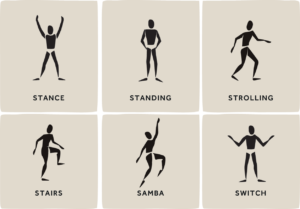
These six categories cover the full range of muscle energy expenditure outside of scheduled exercise (often referred to as EAT). By learning to notice and track each category individually, you can ensure you’re doing the most you can to stay active, especially in the beginning, when building confidence and momentum matters most.
The six NEAT categories are:
- Stance – How you hold your body when sitting or standing.
- Standing – Spending more time on your feet rather than sitting. Standing while talking on the phone or working at a counter adds gentle activity to your day.
- Strolling – Casual, unstructured walking. Short walks, errands, or even walking while thinking all count.
- Stairs – Choosing stairs whenever possible, even if it’s just one flight.
- Samba – Natural movement such as shifting your weight, stretching, or light dancing.
- Switch – Changing positions often instead of remaining still for long periods.
When exercise starts to feel hard, remember this: moving a little more than yesterday is enough to move you forward!